Blog

  • How to Choose the Best Restaurant for a Perfect Dining Experience

    How to Choose the Best Restaurant for a Perfect Dining Experience

    Selecting the perfect restaurant involves a careful balance of factors that contribute to a memorable and enjoyable meal. Whether you’re planning a special occasion or simply seeking a delightful meal, here are key considerations to ensure an exceptional dining experience:

    1. Define Your Purpose

    First, consider the purpose of your outing. Are you celebrating a special occasion, having a casual meal with friends, or trying somewhere new for a culinary adventure? Understanding the occasion helps narrow your choices, whether you’re seeking fine dining, a cozy bistro, or an eclectic eatery.

    2. Research the Cuisine

    Explore the type of cuisine you’re in the mood for. From Italian and Japanese to fusion or plant-based options, your choice should reflect your culinary interests and any dietary preferences or restrictions. Research the reputation of the establishment in terms of its cuisine, as well-crafted dishes made from quality ingredients significantly enhance the dining experience.

    3. Evaluate the Ambiance

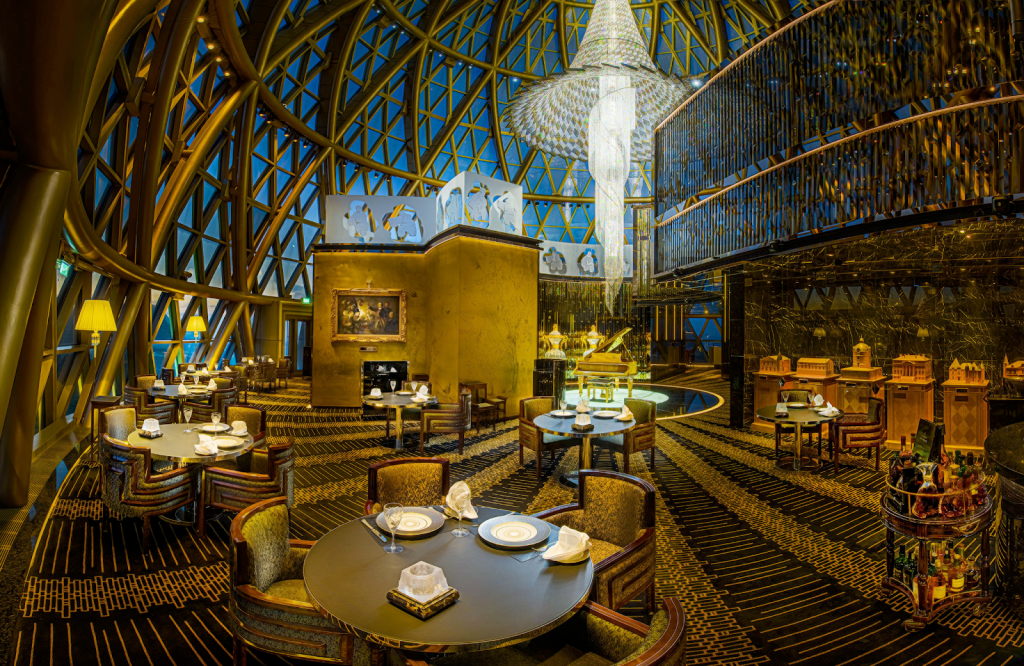
    The atmosphere of a restaurant greatly influences your overall experience. Consider the ambiance you desire—whether it’s lively and vibrant or calm and intimate. Lighting, decor, and music all contribute to the mood. A well-designed space that complements the dining style can elevate your meal from mundane to memorable.

    4. Check Reviews and Recommendations

    Online reviews and recommendations provide insights into the restaurant’s quality, service, and consistency. Look for feedback on food quality, staff attentiveness, and the overall experience. Recommendations from friends, family, or trusted food critics can also guide you to noteworthy establishments that align with your preferences.

    5. Assess Service Quality

    Attentive and knowledgeable staff can significantly enhance your dining experience. Evaluate whether previous diners have commented positively on the service, indicating that staff are accommodating, friendly, and prompt. Excellent service complements well-prepared food, ensuring a seamless and enjoyable meal.

    6. Consider Location and Accessibility

    Choose a conveniently located restaurant that is easily accessible for all members of your dining party. Consider parking availability or public transportation options. Additionally, ensure the venue accommodates any mobility needs with features such as ramps or accessible facilities.

    7. Examine the Menu

    Review the restaurant’s menu online to ensure it offers options that appeal to you and your dining companions. A diverse menu that caters to various tastes and dietary needs indicates consideration for a wide range of patrons. Additionally, check for seasonal or special dishes, which often highlight the chef’s creativity and the freshest ingredients.

    8. Budget Considerations

    While dining out can be an indulgence, it’s important to consider your budget. Many restaurants offer a range of price points, from affordable to extravagant. Ensure that the restaurant you choose provides good value, where excellent food and service justify the expense. Checking the menu prices in advance helps avoid any surprises.

    9. Explore Additional Features

    Certain features can add value to your dining experience, such as outdoor seating, live music, or chef’s tasting menus. Consider whether such features align with your preferences and the nature of your outing. Extras can transform a meal into a unique and memorable occasion.

    Conclusion

    Selecting the best restaurant for a perfect dining experience involves thoughtful consideration of your needs, preferences, and expectations. By defining your purpose, researching the cuisine, assessing the ambiance, and evaluating service quality, you can ensure a satisfying outing. Attention to practical details, like location and budget, complements these considerations. Whether for a special celebration or a simple night out, choosing the right restaurant enhances the enjoyment and creates lasting memories of a perfect culinary experience.

  • 5 Things to Look for When Choosing the Best Wine Bar in Your City

    5 Things to Look for When Choosing the Best Wine Bar in Your City

    1. Curated Wine Selection

    When selecting the best wine bar, consider the breadth and curation of their wine list. A well-rounded selection should include both local and international options, showcasing a variety of regions and styles. Look for a mix of reds, whites, rosés, and sparklings, as well as some lesser-known varietals. A standout wine bar will regularly update its offerings to keep the selection fresh and exciting, which demonstrates a commitment to quality and exploration.

    2. Knowledgeable Staff

    The expertise of the staff is crucial in elevating your wine bar experience. Seek out establishments where the team is not only friendly but also well-versed in wine. They should be able to guide you through the menu, offer personalized recommendations based on your preferences, and explain the nuances of different bottles. A wine bar with a passionate and informed staff enhances your experience by educating you about wine and helping you discover new favorites.

    3. Ambiance and Atmosphere

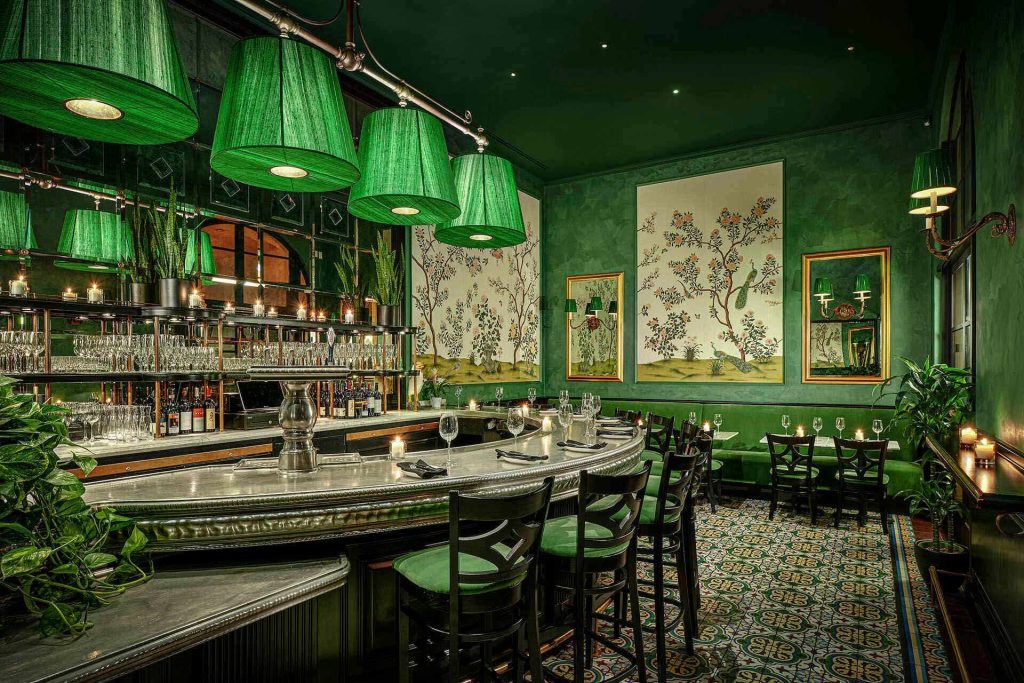
    The atmosphere of a wine bar significantly impacts your overall experience. Look for a venue that offers a cozy, inviting, and sophisticated setting. The design should facilitate relaxation and conversation, with comfortable seating, appropriate lighting, and a tasteful decor that complements the ambiance. A wine bar should feel like a refuge from the hustle and bustle, creating an environment where you can unwind and enjoy your wine experience.

    4. Complementary Food Offerings

    Great wine bars offer more than just an extensive wine list; they also provide a well-thought-out menu of small plates and snacks designed to pair perfectly with their wine selections. Consider establishments that feature artisanal cheeses, charcuterie boards, and light bites, enhancing the wine tasting experience. The quality and creativity of the food offerings can greatly enrich your visit, turning it into a complete culinary adventure.

    5. Events and Educational Opportunities

    A top-notch wine bar will often host events such as wine tastings, workshops, or meet-the-winemaker nights. These events provide an opportunity to deepen your wine knowledge and engage with fellow wine enthusiasts. Look for wine bars that offer these kinds of experiences, allowing you to expand your understanding of wine in a fun and interactive setting. Such educational opportunities can add significant value to your choice and keep you returning for more.

    Choosing the right wine bar involves considering these key factors to ensure a memorable and rewarding experience. By focusing on the wine selection, staff expertise, ambiance, food offerings, and educational events, you can find a spot that caters to both your palate and your desire for relaxation and exploration. Whether you’re a seasoned wine lover or just starting your journey, the perfect wine bar can become your go-to destination for unwinding and discovering new flavors in your city.

  • How Quality Food Can Improve Your Overall Dining Experience

    How Quality Food Can Improve Your Overall Dining Experience

    When it comes to dining, the quality of food is paramount in crafting a memorable and enjoyable experience. Quality food elevates a meal from mere sustenance to an unforgettable event that engages the senses and leaves a lasting impression. Here’s how high-quality food contributes to an enhanced dining experience:

    1. Sensory Delight

    Quality food tantalizes the senses with its vibrant colors, enticing aromas, and appealing textures. The visual allure of a beautifully plated dish anticipates the flavors and aromas that follow, creating an inviting atmosphere as soon as the meal arrives at the table. The texture of ingredients, from the crunch of fresh vegetables to the tenderness of perfectly cooked meat, adds layers of enjoyment to each bite.

    2. Rich and Authentic Flavors

    Authenticity and depth of flavor are hallmarks of quality food. High-quality ingredients are often sourced locally and chosen for their freshness and flavor profiles, leading to a more authentic and satisfying taste. When meals are crafted with care and attention to detail, the resulting flavors are complex, balanced, and memorable, enhancing the emotional and sensory impact of the dining experience.

    3. Health and Nutritional Benefits

    Quality food often means healthier food, as it involves fresh, minimally processed ingredients. Meals made from these components are not only more flavorful but also more nutritious, contributing positively to one’s health and well-being. Dishes rich in nutrients and free from excessive additives can leave diners feeling satisfied and energized, rather than sluggish or overfull.

    4. Connection and Storytelling

    Quality ingredients often have a story behind them, such as their origin or the artisan methods used to produce them. Sharing these narratives deepens the dining experience by creating connections between the diner and the food. Understanding the journey from farm to table can add meaning to a meal, making it more than just an act of eating but an appreciation of tradition and craftsmanship.

    5. Memorable Experiences

    A dining experience is as much about the memories created as it is about the food. Quality meals, prepared with creativity and skill, are often associated with special occasions, celebrations, or cherished outings. The positive emotions tied to these experiences tend to linger, creating lasting memories that enrich one’s life.

    6. Better Value

    While high-quality food may come with a higher price tag, it often offers better value in terms of taste, health benefits, and satisfaction. The investment in quality ingredients and skilled preparation pays off by providing a fulfilling experience that extends beyond the meal itself. Diners appreciate and remember the exceptional care and attention given to creating each dish.

    7. Emotional Satisfaction

    Enjoying a well-prepared meal can have a profound emotional impact. Quality food can uplift spirits, evoke nostalgia, or bring comfort and joy. Whether dining alone or sharing a meal with others, the pleasure derived from good food enhances overall emotional well-being, contributing to a sense of happiness and contentment.

    8. Encouragement of Culinary Exploration

    Exposure to quality food can inspire diners to expand their culinary horizons. Savoring expertly prepared dishes encourages experimentation and openness to trying new flavors and cuisines. This spirit of exploration adds excitement and variety to dining experiences, making each meal an opportunity for discovery.

    In conclusion, quality food significantly enhances the overall dining experience by engaging the senses, providing nutritional benefits, and fostering emotional connections. By valuing excellence in ingredients and preparation, diners enjoy meals that are not only delicious but also meaningful and satisfying. A commitment to quality transforms dining into a rich, joyous activity that nourishes both body and soul, creating cherished memories and encouraging continual exploration of the culinary world.

  • 10 Delicious Food Ideas Every Food Lover Should Try This Year

    10 Delicious Food Ideas Every Food Lover Should Try This Year

    1. Fusion Street Tacos

    Experience the best of both worlds by trying fusion street tacos. These culinary delights incorporate flavors from different cultures, such as Korean BBQ beef tacos with kimchi or Thai curry chicken tacos. The fusion of spices and textures creates an exciting and novel taste experience that’s perfect for adventurous food lovers.

    2. Plant-Based Sushi

    With the rise of plant-based diets, sushi has embraced this trend with innovative ingredients like avocado, mushrooms, and jackfruit. Rolled into seaweed with quinoa or cauliflower rice, these plant-based sushi creations offer a fresh and flavorful take on a beloved classic, ideal for those seeking a lighter, ethical option.

    3. Truffle-Infused Dishes

    Enhance your palate with the luxurious taste of truffle-infused dishes. Whether it’s truffle oil drizzled over pasta, truffle aioli on a gourmet burger, or truffle salt sprinkled on french fries, the rich and earthy flavor of truffles adds depth and decadence to any meal.

    4. Loaded Sweet Potato Fries

    Take sweet potato fries to the next level by loading them with flavorful toppings. Try combinations like black beans, avocado, and chipotle crema for a Mexican twist, or goat cheese, dried cranberries, and balsamic glaze for a sophisticated option. These loaded fries are a satisfying and creative indulgence.

    5. Artisan Sourdough Bread

    The art of sourdough bread-making has captivated food lovers worldwide. With its tangy flavor and delightful crust, freshly baked artisan sourdough is a must-try. Whether enjoyed plain, toasted with butter, or topped with avocado, it offers a comforting and delicious experience.

    6. Global Flavor Bowls

    Dive into a global culinary adventure with flavor bowls inspired by cuisines from around the world. Consider Moroccan couscous bowls with roasted vegetables, Middle Eastern quinoa bowls with falafel and hummus, or Japanese poke bowls with marinated fish and seaweed. These bowls are both nutritious and packed with diverse, vibrant flavors.

    7. Craft Ice Cream Flavors

    Discover the world of craft ice cream, where artisanal producers experiment with bold and unexpected flavors. From lavender honey and matcha to bacon bourbon and passionfruit, these inventive ice cream flavors offer a delightful surprise for the taste buds and an exciting twist on a favorite treat.

    8. Gourmet Flatbreads

    Gourmet flatbreads provide a canvas for unique and delicious toppings. Experiment with combinations such as pear, prosciutto, and blue cheese, or fig, arugula, and goat cheese. The thin and crispy base paired with high-quality ingredients transforms a simple dish into a sophisticated delicacy.

    9. Fermented Foods

    Explore the health benefits and distinct flavors of fermented foods this year. From kimchi and sauerkraut to kombucha and kefir, these probiotic-rich foods promote gut health and add a tangy twist to your meals. Incorporating fermented foods into your diet can rejuvenate your palate and enhance your culinary repertoire.

    10. Elevated Brunch Classics

    Rediscover brunch with elevated classics that add a touch of elegance to your meal. Think avocado toast topped with poached eggs and smoked salmon, or pancakes infused with ricotta and lemon zest. These refined dishes bring a sense of luxury and innovation to your weekend mornings.

    By exploring these delicious food ideas, every food lover can embark on a flavorful journey that challenges their palate and expands their culinary horizons. From fusion creations to luxurious indulgences, these dishes promise a year of new tastes and unforgettable dining experiences. Whether you’re a seasoned gastronome or a curious newcomer, these culinary delights offer something delicious for everyone to savor.

  • Top Restaurant Trends That Are Transforming the Dining Industry

    Top Restaurant Trends That Are Transforming the Dining Industry

    The dining industry continually evolves, driven by changing consumer preferences, technological advancements, and a growing focus on sustainability and health. Here’s a look at the top trends reshaping restaurants today:

    1. Sustainable Practices

    Sustainability is at the forefront of the dining industry. Restaurants are adopting eco-friendly practices like sourcing local and organic ingredients, minimizing food waste, and utilizing renewable energy. Upcycling and nose-to-tail cooking are popular, ensuring every part of an ingredient is used efficiently. Diners are increasingly valuing establishments that prioritize environmental responsibility, making sustainability a critical focus.

    2. Hyper-Local Sourcing

    Hyper-local sourcing is transforming menus, with restaurants growing their own produce or partnering with nearby farms. This practice ensures fresh, seasonal ingredients and supports local economies. It also appeals to consumers seeking authentic, region-specific flavors, and a tangible connection to their food’s origin.

    3. Plant-Based Menus

    The rise of plant-based diets is driving restaurants to innovate with plant-based and vegan offerings. Creative use of ingredients like jackfruit, legumes, and plant-based dairy alternatives allows chefs to craft delicious, meat-free dishes. As awareness of health and environmental benefits grows, plant-based menus are becoming a mainstay rather than a niche.

    4. Technology Integration

    Technology is enhancing efficiency and customer experience. Automated ordering systems, AI-driven recommendations, and digital payments streamline operations and reduce wait times. Moreover, apps and delivery platforms expand the reach of restaurants, catering to customers who prefer dining at home. Innovations like virtual reality dining experiences are also emerging, offering novel ways to engage diners.

    5. Experiential Dining

    Dining is increasingly about the experience rather than just the meal. Restaurants are crafting unique environments and interactive elements, such as open kitchens, chef’s tables, or themed decor, to engage all the senses. This trend emphasizes storytelling and connection, transforming meals into memorable events.

    6. Health-Conscious Options

    Consumers are more health-conscious, seeking meals that balance flavor with nutrition. Restaurants are responding by incorporating superfoods, offering gluten-free or low-carb options, and focusing on clean, whole-food ingredients. This trend is driving creativity in menu creation, making healthy eating both accessible and exciting.

    7. Global and Ethnic Fusion

    The blending of global flavors and techniques is enriching the culinary landscape. Chefs are inspired by diverse cuisines, resulting in fusion dishes that surprise and delight. This trend encourages culinary exploration, with diners eager to experience new taste combinations and cultural influences through innovative menus.

    8. Flexible and Multi-Use Spaces

    Restaurants are reimagining their physical spaces to adapt to various dining needs. Flexible layouts that accommodate casual lunch crowds, formal dinners, and private events are increasingly common. Outdoor seating and patios have also gained popularity, providing additional dining options and expanding capacity.

    9. Zero-Waste Initiatives

    Zero-waste practices are gaining momentum, with restaurants striving to eliminate waste at all stages of operation. From composting food scraps to utilizing eco-friendly packaging, these initiatives reduce environmental impact and align with the values of eco-conscious consumers. Zero-waste cooking inspires creativity, turning by-products into innovative menu components.

    10. Personalization and Customization

    Restaurants are leveraging data and feedback to offer personalized experiences. Diners can customize dishes to their tastes or dietary needs, and loyalty programs provide tailored rewards and offers. This trend fosters customer engagement and loyalty, as patrons appreciate the individual attention.

    Conclusion

    The dining industry is undergoing significant transformation, shaped by trends that emphasize sustainability, technology, and personalized experiences. As restaurants continue to innovate, they cater to evolving consumer demands, prioritizing health, environmental impact, and unique dining experiences. These trends not only redefine the culinary landscape but also set new standards for excellence in hospitality, ensuring that dining out remains an engaging and rewarding experience for all.

  • Why Visiting a Wine Bar Is the Perfect Way to Relax After Work

    Why Visiting a Wine Bar Is the Perfect Way to Relax After Work

    1. A Calm and Inviting Ambiance

    Wine bars are renowned for their relaxed and sophisticated atmosphere, making them an ideal refuge after a hectic workday. The ambient lighting, tasteful decor, and soothing music create a serene environment where patrons can unwind and decompress. Unlike louder, more chaotic venues, wine bars offer a tranquil setting that encourages relaxation and contemplation.

    2. Diverse Wine Selection

    Visiting a wine bar offers an unparalleled opportunity to explore a curated selection of wines from around the world. Whether you’re a seasoned connoisseur or a novice, the variety available allows you to discover new favorites and deepen your appreciation for different wine regions and varietals. Knowledgeable staff are often on hand to guide your choice, enhancing the experience with personalized recommendations.

    3. Perfect Pairings with Small Plates

    Many wine bars complement their drink offerings with a menu of small plates and charcuterie boards designed to pair perfectly with the wines. Sampling artisanal cheeses, cured meats, and other gourmet bites adds an extra layer of pleasure to your visit. These thoughtfully curated pairings elevate the wine tasting experience, turning it into a delightful culinary journey.

    4. Social Connection and Networking

    Wine bars provide an excellent setting for socializing and networking in a relaxed environment. Whether catching up with friends or meeting new acquaintances, the intimate setting facilitates conversation and connection. For professionals, it can be a productive yet informal venue for after-work meetings or networking sessions with colleagues and clients.

    5. Educational Opportunities

    For those interested in expanding their wine knowledge, wine bars often offer tastings, workshops, and events hosted by sommeliers or wine experts. These educational experiences allow attendees to learn about wine production, tasting techniques, and wine and food pairing principles. Engaging in these activities can be both enjoyable and enriching, adding value to your evening.

    6. Stress Relief and Mindfulness

    Savoring a glass of wine encourages mindfulness and helps relieve stress. The act of appreciating the aroma, flavor, and complexity of wine is a sensory experience that grounds you in the present moment. This mindful approach promotes relaxation, helping you shed the stresses of the workday and return to a state of equilibrium.

    7. Escape and Indulgence

    A visit to a wine bar provides a sense of escape and indulgence, allowing patrons to step away from daily routines and indulge in a bit of luxury. The experience of exploring fine wines, savoring delicious bites, and enjoying a peaceful setting is a form of self-care that rejuvenates the spirit. This brief escape can make a significant impact on your overall well-being.

    8. Convenient Accessibility

    Wine bars are often conveniently located in urban areas, making them easily accessible for after-work visits. Their central locations encourage spontaneous visits, whether you’re winding down solo or with companions. The convenience factor enhances their appeal as an ideal post-work relaxation spot.

    Conclusion

    Visiting a wine bar provides an exquisite blend of relaxation, exploration, and enjoyment, making it the perfect antidote to a demanding workday. With their inviting ambiance, diverse selection of wines, thoughtful pairings, and opportunities for social connection, wine bars offer a holistic experience that caters to both body and mind. Whether you’re seeking to expand your wine knowledge or simply relax in a serene environment, a wine bar visit is a delightful way to unwind and embrace the art of living well.